Comprehensive Forex Trading Framework: Professional Guidelines
In the world of currency exchange, having a solid foundation is crucial for success. This article delves into the professional guidelines and frameworks necessary for effective forex trading. From risk management and market analysis to trading psychology, this guide aims to equip traders with the knowledge to navigate the forex market successfully. For further insights, you can visit forex trading framework professional guidelines forex-level.com, a leading resource in forex education.
Understanding the Forex Market
The foreign exchange (forex) market operates 24 hours a day and is the largest financial market in the world. With daily trading volumes exceeding $6 trillion, it is imperative for traders to understand its structure, including the roles of banks, brokers, and retail traders. The forex market functions through a network of financial institutions, facilitating the exchange of currencies for various purposes, including international trade and investment.
Establishing a Trading Framework
A professional forex trading framework is a structured approach to trading that encompasses various components:
- Analysis: Traders utilize technical and fundamental analysis to make informed decisions.
- Risk Management: Establishing risk tolerance and implementing stop-loss orders protect trading capital.
- Trading Plan: A detailed trading plan outlines entry and exit strategies, timeframes, and performance evaluation methods.
- Trade Execution: Timely and accurate execution is essential for maximizing profits.
1. Analysis Techniques
In forex trading, analysis is paramount. There are two predominant methods of market analysis:

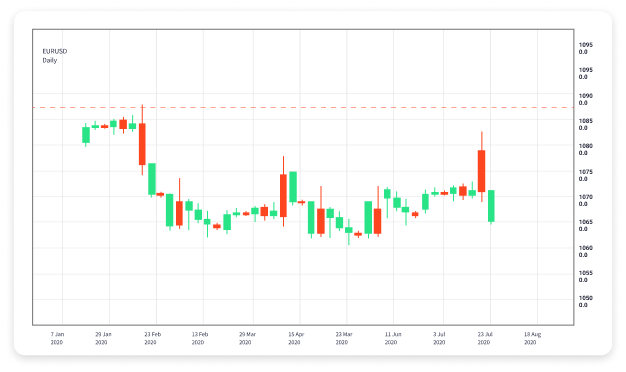
- Technical Analysis: This involves studying price action through charts and indicators. Tools such as moving averages, RSI, and Fibonacci retracements can help identify trends and reversals.
- Fundamental Analysis: Traders consider economic indicators, interest rates, and geopolitical events that impact currency values. It is essential to stay updated on news releases and economic data.
2. Risk Management
Every successful trader understands the importance of risk management. This includes:
- Setting a Budget: Determine how much capital you can afford to risk without affecting your financial health.
- Use of Stop-Loss Orders: Implementing stop-loss orders helps mitigate losses. For example, setting a stop-loss at 2% of your capital on a trade ensures that you do not lose more than you’re willing to risk.
- Diversification: Avoid putting all your capital into a single trade. Diversifying your trades across different currency pairs spreads risk.
3. Developing a Trading Plan
A comprehensive trading plan is crucial for guiding your trading decisions. Here’s how to create one:
- Define Your Goals: Set clear, achievable goals for your trading activities, considering both short-term and long-term objectives.
- Choose Your Trading Style: Decide whether you will be a day trader, swing trader, or long-term investor, as different styles require different strategies.
- Detail Your Strategy: Outline your entry and exit criteria, including the market conditions that will prompt a trade.
- Record Keeping: Keep a trading journal to evaluate your trades. Note what worked, what didn’t, and adjust your strategies accordingly.
4. Trade Execution
Executing trades effectively is vital for capitalizing on market opportunities. Factors to consider include:
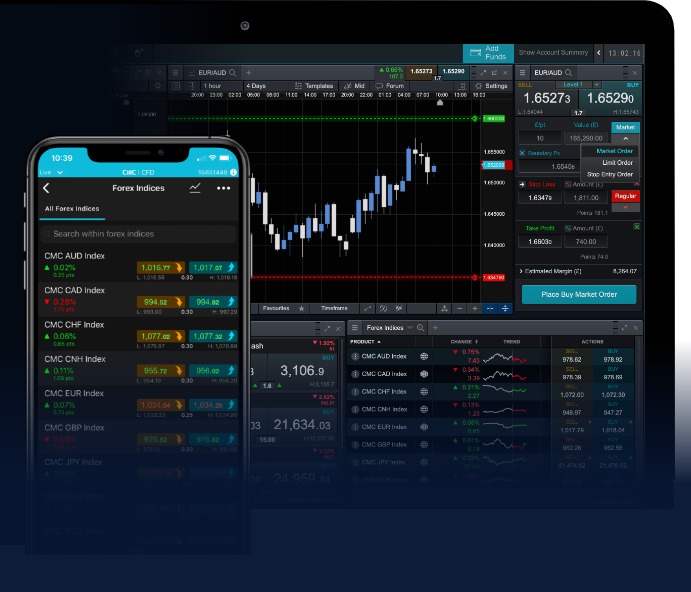
- Platform Selection: Choose a reliable trading platform that offers competitive spreads and liquidity.
- Market Conditions: Be aware of volatility during major news releases, which can lead to slippage.
- Order Types: Understand various order types (market orders, limit orders, etc.) and their implications on execution.
The Role of Trading Psychology
Psychological factors can significantly impact trading performance. Traders must maintain discipline, manage emotions, and avoid impulsive decisions. Here are a few tips:
- Stick to Your Plan: Avoid deviations from your trading plan due to emotional reactions to market fluctuations.
- Accept Losses: Understand that losses are a part of trading; focus on long-term success rather than individual trades.
- Continuous Learning: Engage in ongoing education; adapt to the evolving market landscape.
Common Pitfalls to Avoid
While executing your forex trading strategies, be aware of these common pitfalls:
- Overleveraging: Using excessive leverage can amplify losses; always use leverage judiciously.
- Ignoring Economic News: Failing to monitor economic indicators can lead to poor trading decisions.
- Chasing Losses: Avoid the urge to make impulsive trades to recover losses, as this can lead to greater losses.
Conclusion
Building a comprehensive forex trading framework requires dedication, discipline, and continuous learning. By adhering to professional guidelines, traders can enhance their chances of success and minimize risks. Understanding market dynamics, implementing effective risk management strategies, and honing trading psychology are vital components of a successful trading career. Remember that forex trading is not a get-rich-quick scheme; it is a journey that requires patience and resilience.
Embrace the complexities of the forex market, invest time in education, and develop your unique trading style. With the right framework and guidelines, you can navigate the forex marketplace with confidence and skill.